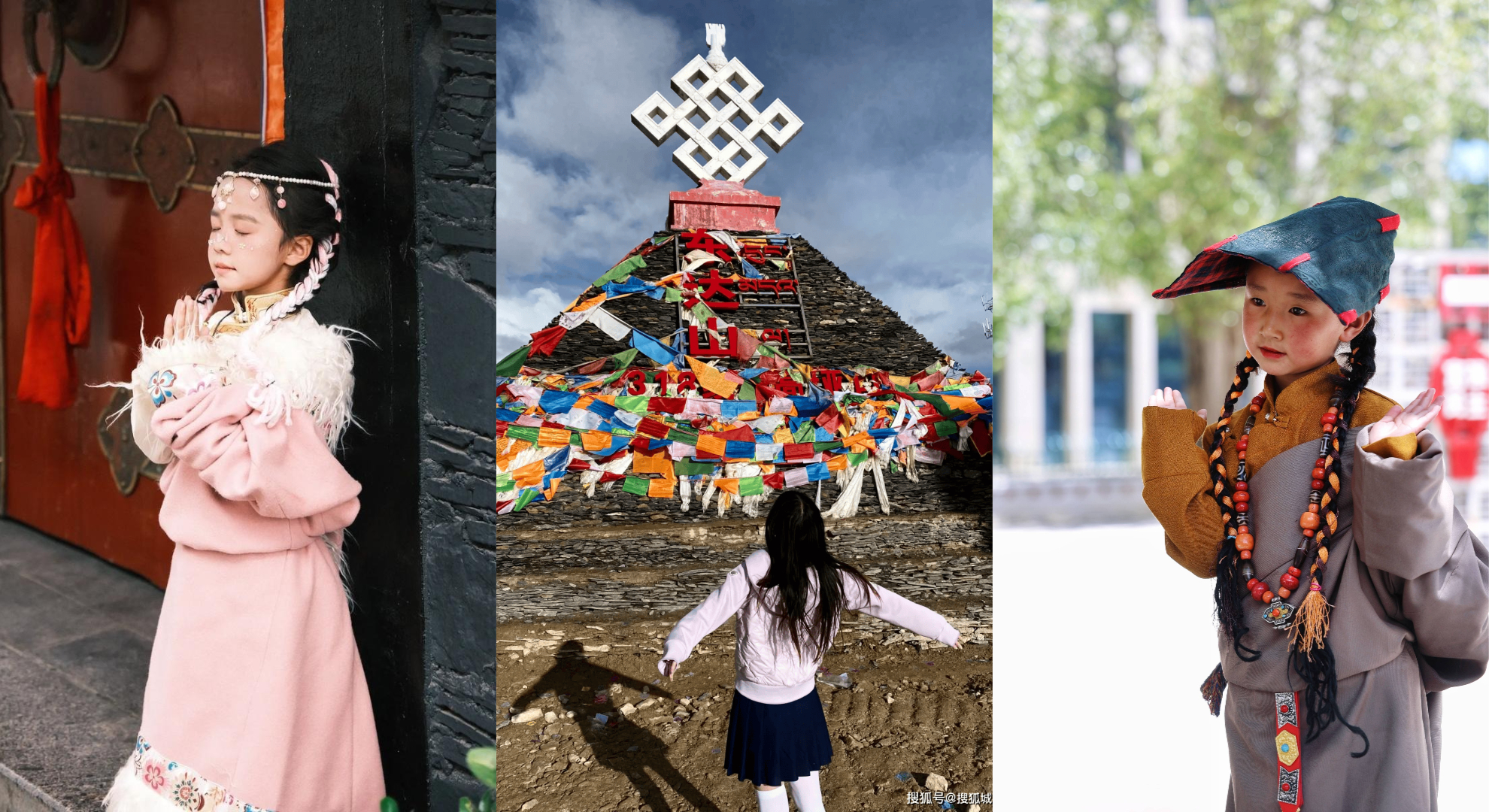
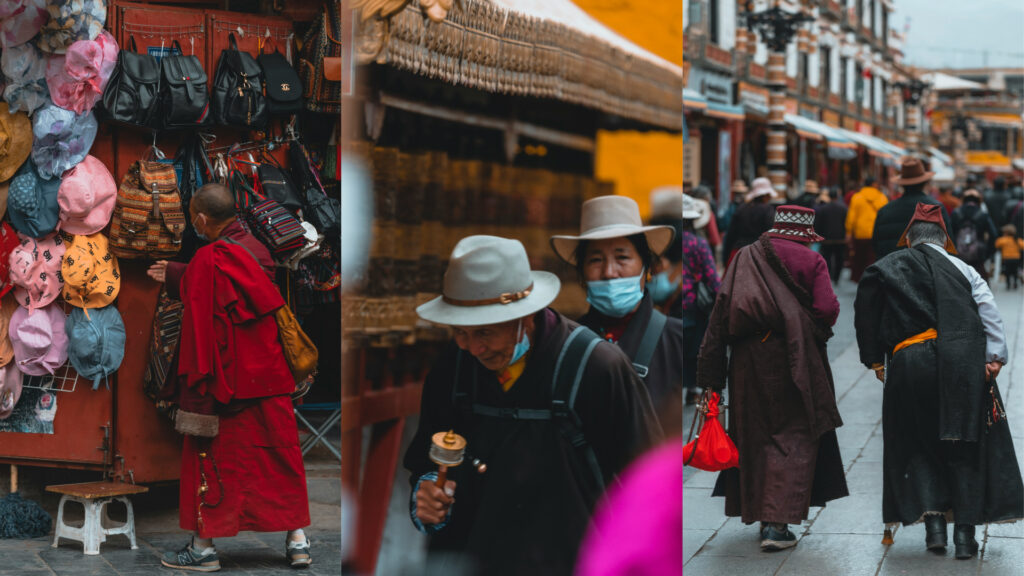
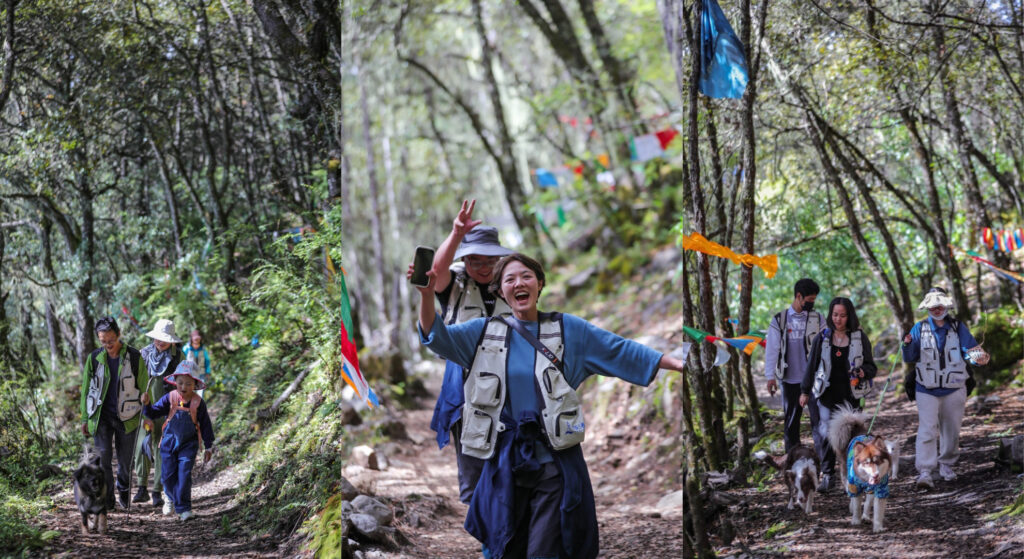
Tibet Discovery: A China School Trip into Culture, Nature & Compassion
8 Days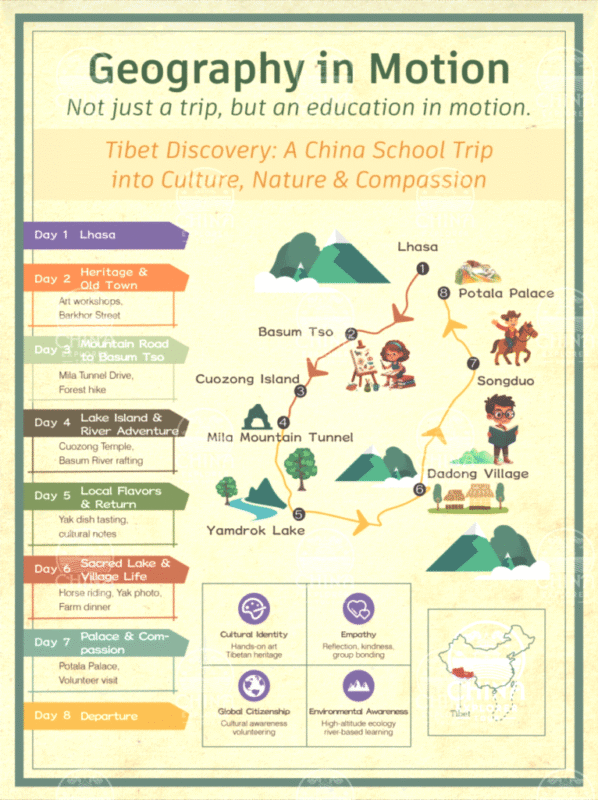
overview
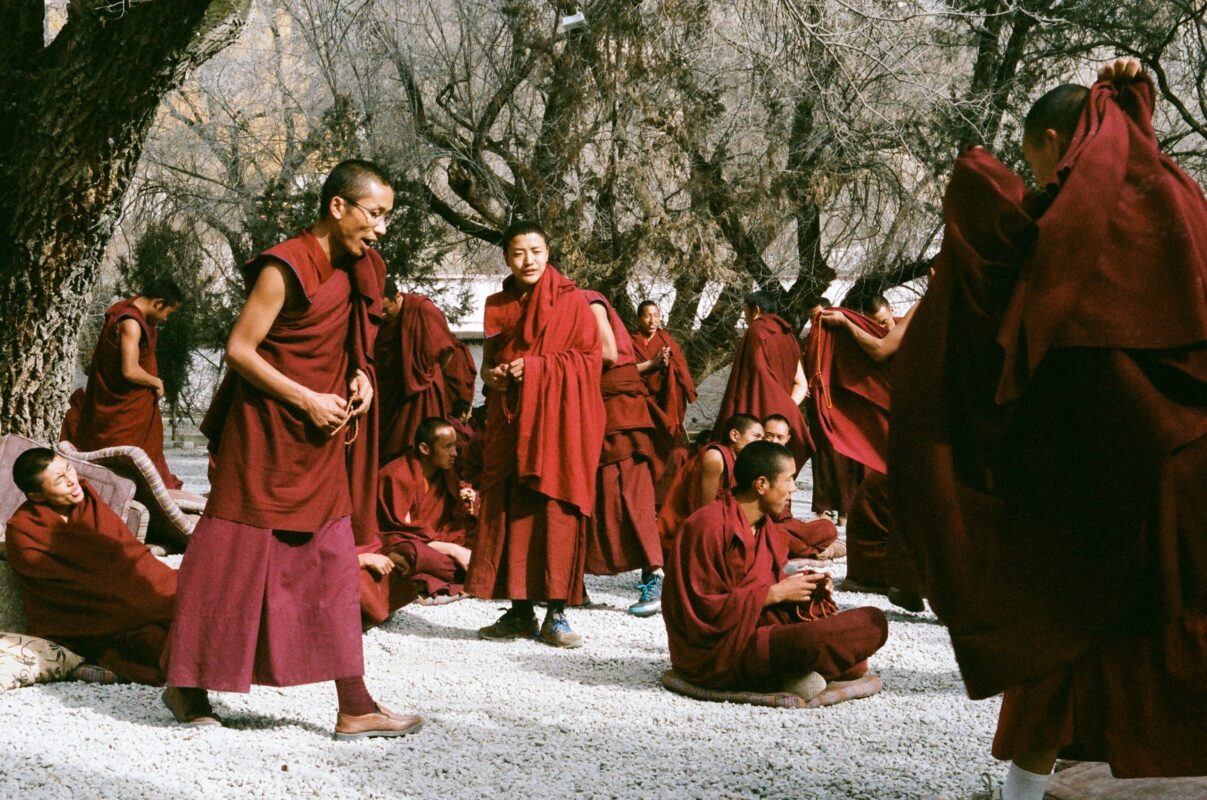
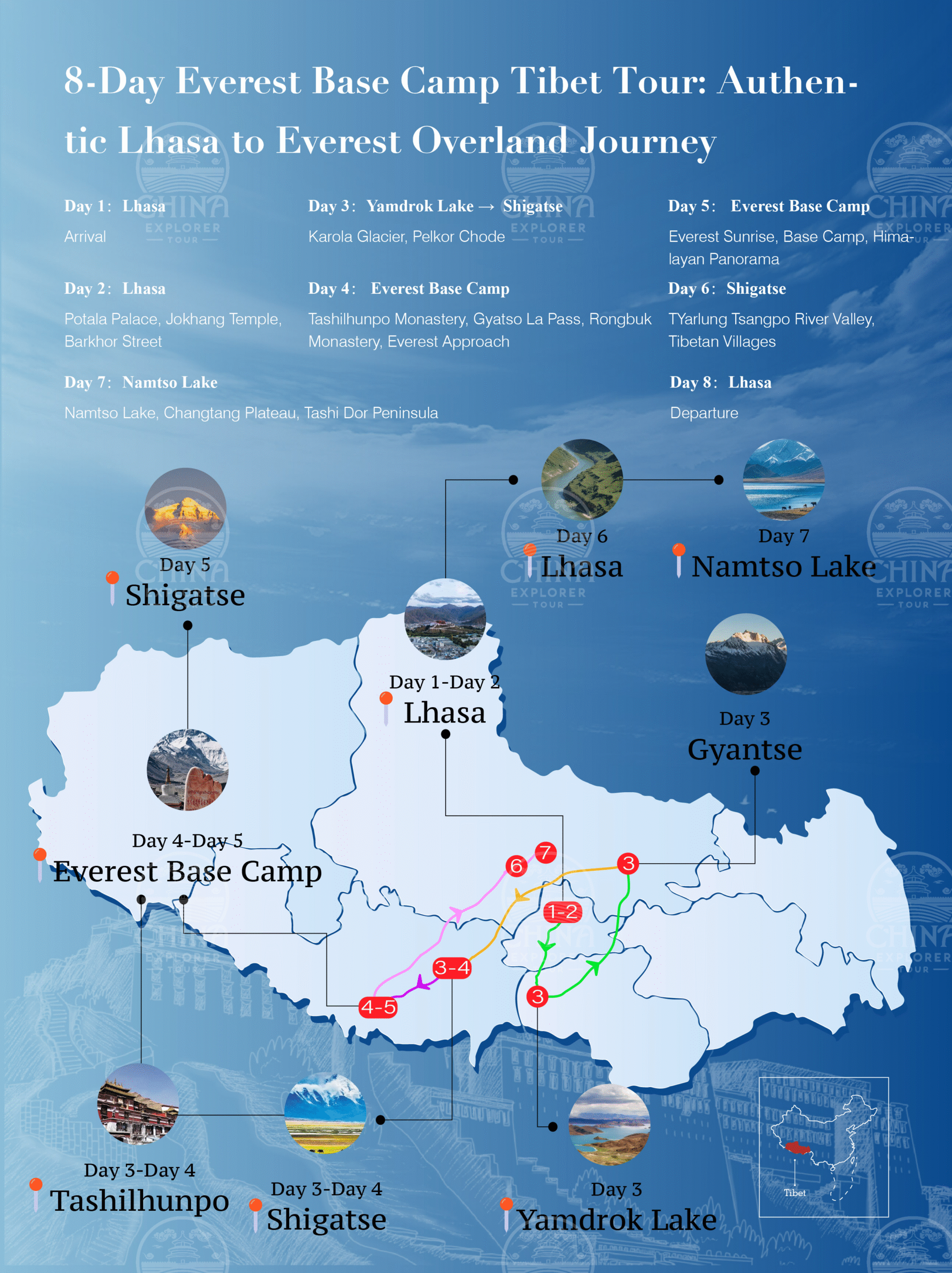
This is more than a school trip—it’s a journey into the heart of Tibet, where ancient traditions meet snow-capped mountains and spiritual wisdom flows through every valley. Over 8 days, students will explore Tibetan heritage, participate in hands-on craft-making, visit UNESCO sites, connect with local children, and reflect on sustainability and compassion at high altitude.
An immersive school trip in China designed to nurture cultural awareness, ecological responsibility, and personal growth.
What Students Will Learn?
- Cultural Literacy: Practice traditional Tibetan crafts: thangka painting, incense making, calligraphy and visit the iconic Potala Palace and explore Tibetan Buddhism and its artistic legacy
- Environmental Understanding: Reflect on the delicate balance between tourism and conservation in fragile regions
- Interpersonal & Global Skills: Interact with local children in a special needs school and reflect on kindness, gratitude, and empathy in a global context
- Adventure & Resilience: Participate in safe outdoor activities like hiking and rafting and learn to navigate and adapt to high-altitude conditions with team support
Trip Highlights
- Karst Canyon & Cave Camping: Hike, explore, and sleep inside a real limestone cave.
- China’s FAST Telescope: Witness the world’s largest radio telescope and learn about space science.
- Bridge Engineering & Model Building: Understand the science behind China’s world-famous bridges.
- Minority Culture Workshops: Try traditional Miao music, Bouyei dyeing, and Dong weaving.
- Eco Hike in Ancient Forests: Identify medicinal plants and wildlife with local nature guides.
Welcomed with a white hada scarf, students begin a journey not just across land—but across perspectives.
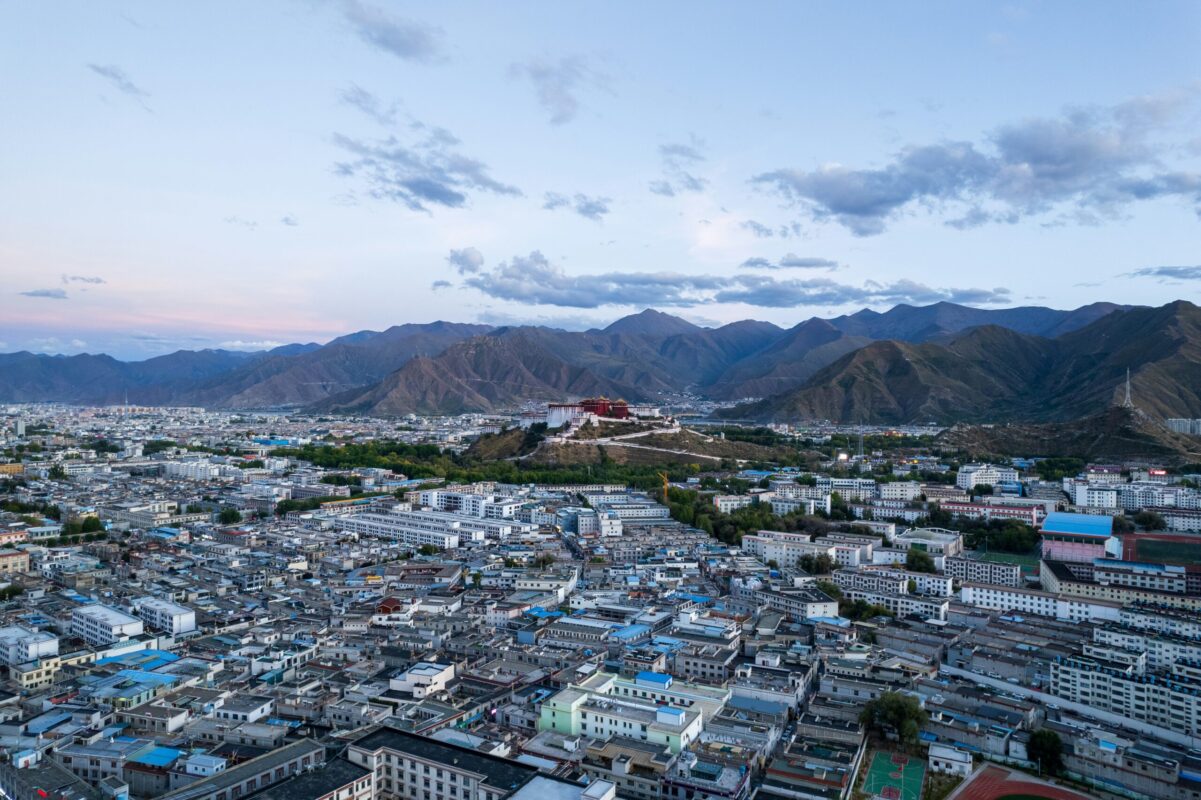
After landing at Lhasa Gonggar Airport, students will be greeted with a traditional Tibetan hada (white silk scarf)—a symbol of purity and blessing. From the start, the experience encourages respect for local customs and gentle adjustment to Tibet’s high altitude.
- Arrival & Welcome Transfer (Lhasa Gonggar Airport → City hotel, 65km / ~1hr)
- Check-in & Altitude Acclimation: High-altitude orientation, slow-paced rest
- Opening Ceremony & Welcome Dinner
- Students will be formally introduced to the program, safety guidelines, and group culture
- Icebreaker activities to build community
Learning Objectives
- Understand cultural etiquette in Tibet
- Practice mindful body awareness and self-care at altitude
- Begin reflecting on global citizenship and respect across cultures
This day sets the tone for a learning journey rooted in cultural humility and group cohesion.
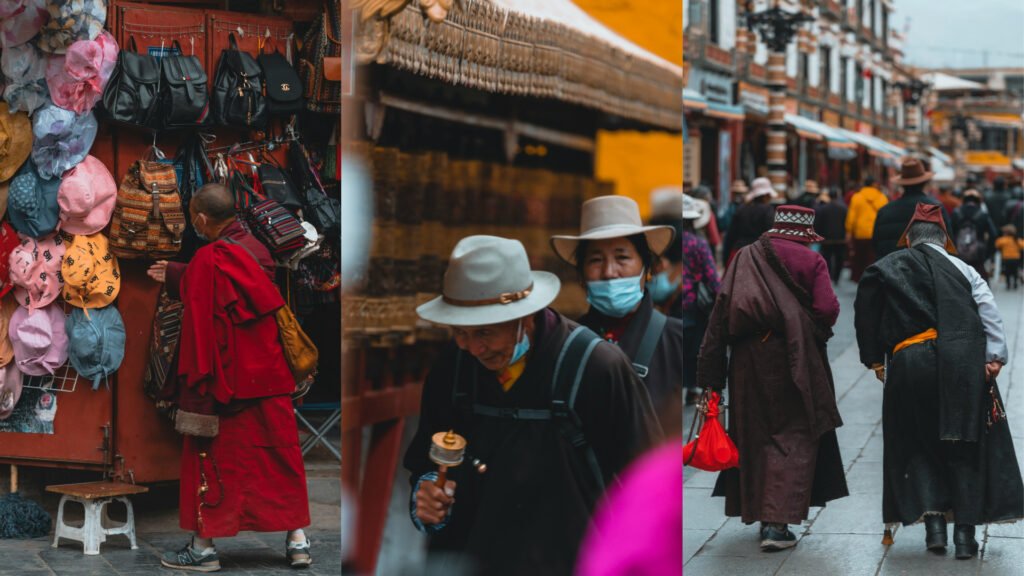
Learn by doing—Tibetan style.
Dives into Tibetan intangible cultural heritage, where students get their hands dusty, colorful, and inspired at one of Lhasa’s most renowned art schools. This is not passive sightseeing—it’s active cultural participation.
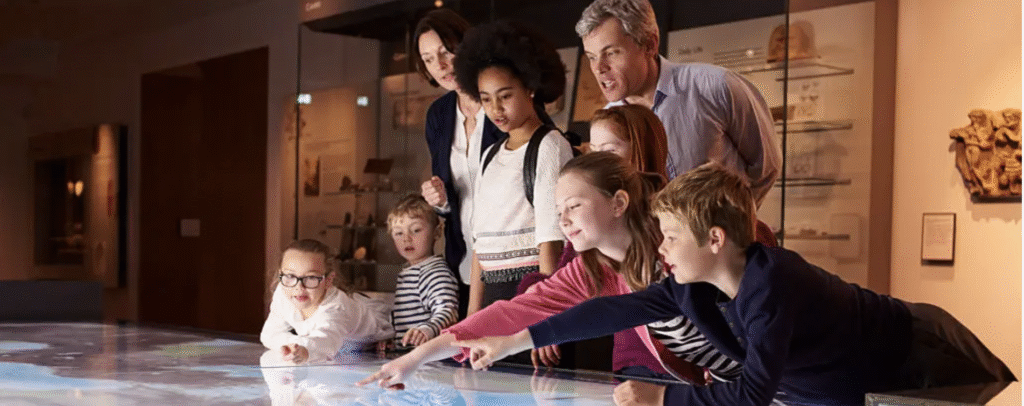
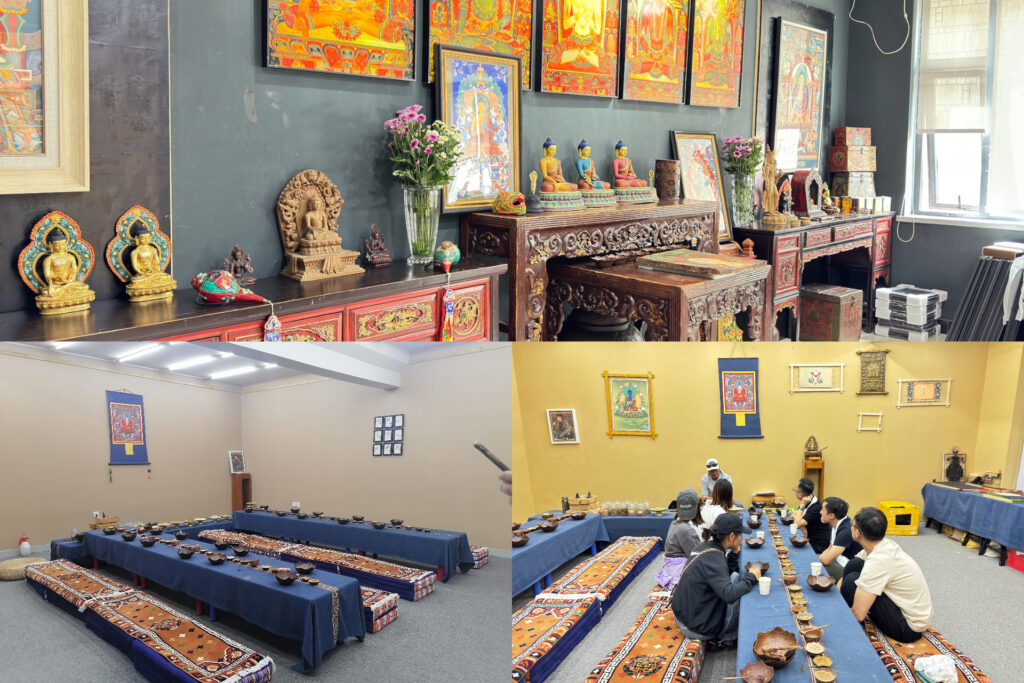
Morning: Non-Material Heritage School Workshop
At the Craft School, students rotate through three traditional arts, choosing from:
- Thangka Painting (learn sacred art principles & paint your own motif)
- Incense Making (understand spiritual & medicinal uses of Tibetan incense)
- Tibetan Calligraphy (practice writing in Tibetan script)
- Pottery Crafting (shape and fire using ancient techniques)
At the end of the morning, each student receives a Tibetan Heritage Experience Certificate, reinforcing pride in intercultural learning.
Afternoon: Walking History + Modern Cultural Reflection
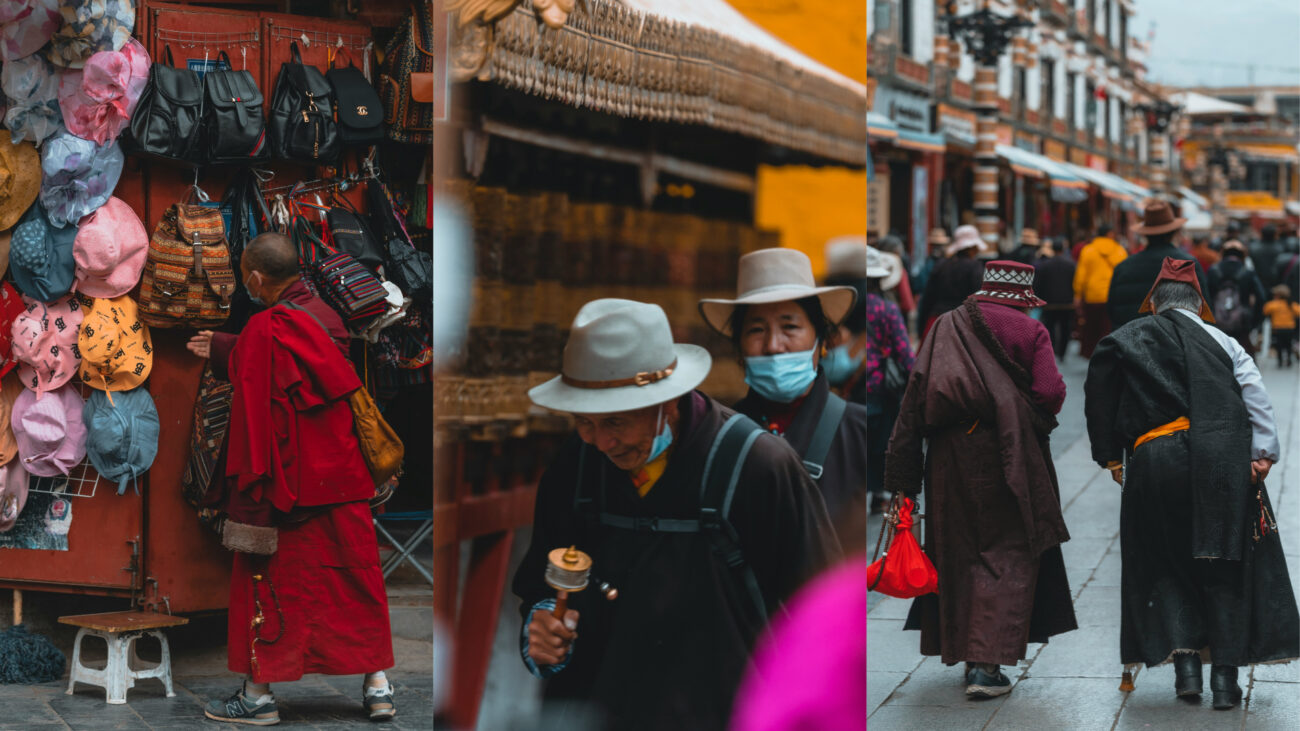
Barkhor Street Guided Walk: Explore the 1,300-year-old old city, with stories from guides that make the stones talk
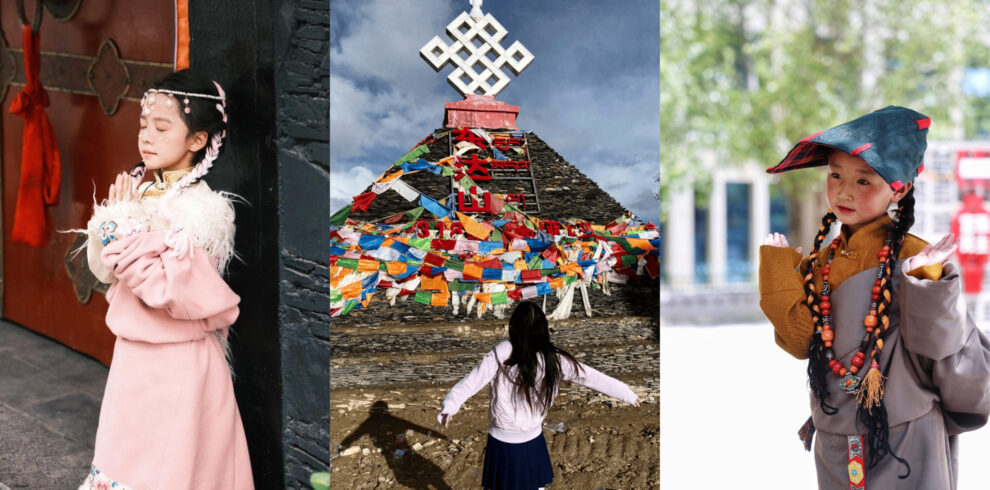
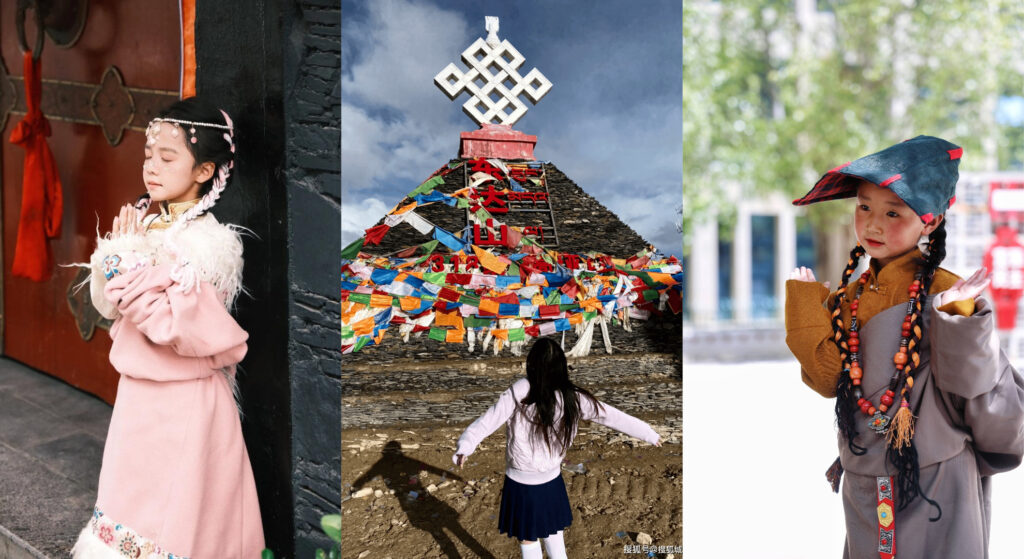
Optional stop at the “Tibetan Starbucks” (探嘢 Café) for a fun cultural fusion experience, including optional Tibetan dress-up photography (self-pay)
Learning Objectives
- Grasp the concept of intangible heritage and why cultural preservation matters
- Explore Tibetan belief systems through hands-on art
- Strengthen cross-cultural empathy by walking in the shoes of a Tibetan teenager for a day
- Reflect on the intersection between tradition and modernity in today’s Tibet
By the end of Day 2, students don’t just “know about Tibet”—they’ve created part of it with their own hands.
Step beyond the city, into a living textbook of geography, ecology, and resilience.
Leaving Lhasa behind, students journey along the highland highway into the heart of Tibet’s dramatic landscapes. This day is all about experiential learning through movement—as students cross valleys, mountain tunnels, and ecosystems, they begin to witness firsthand the land’s spiritual and environmental significance.
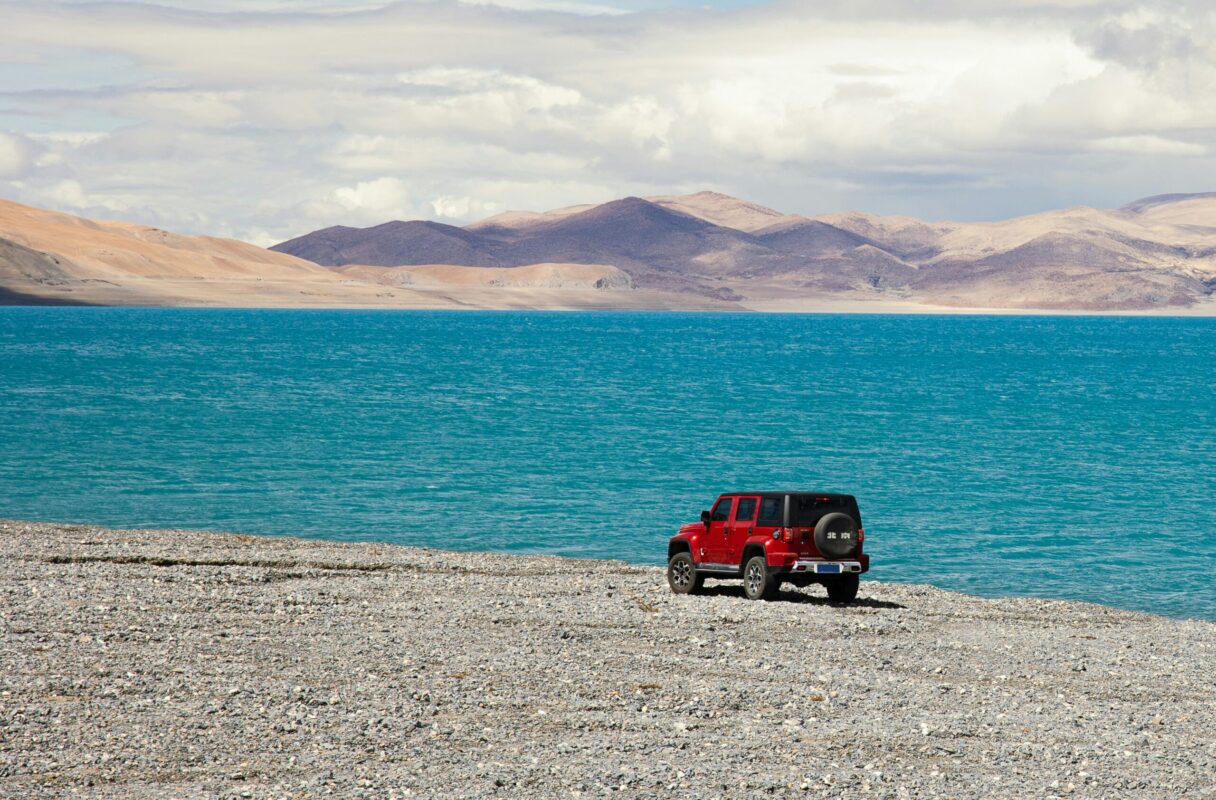
Morning: Drive from Lhasa to Basum Tso, a national 5A scenic lake in Nyingchi region (approx. 6 hours)
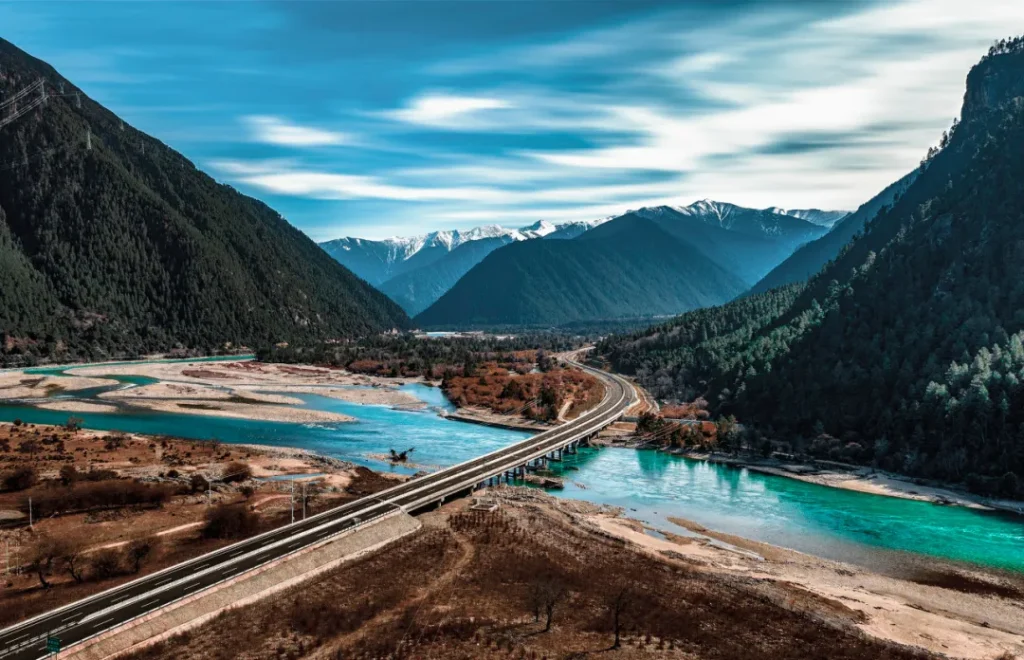
Cross Mila Mountain Tunnel, one of the highest highway tunnels in the world—perfect time for a discussion on infrastructure at altitude and engineering challenges
Afternoon: Arrival at Basum Tso National Park
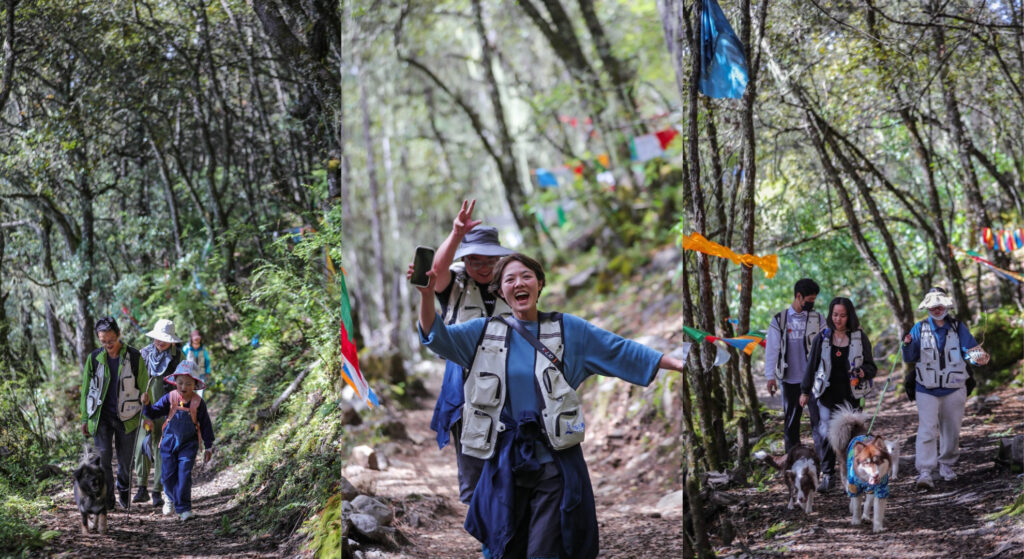
Light ecological hike to the “Fertility Cave” and surrounding forest trails
Local guides explain sacred geography, prayer rituals, and legends
Students are encouraged to observe and journal about biodiversity and human-nature interactions
Check-in: Lakeside eco-lodge accommodation
Evening for rest, quiet reflection, and lake-side sunset photography
Learning Objectives
- Identify high-altitude ecological zones and their fragility
- Connect Tibetan spiritual narratives with landscape-based belief systems
- Practice physical resilience and group hiking etiquette
- Use journaling or sketching to reflect on human-environment connection
Day 3 allows students to move through Tibet’s natural classroom—learning not from a board, but from the breeze, the terrain, and the sky itself.
Where water holds memory, and movement becomes understanding.
Today, students explore both spiritual symbolism and natural forces through visits to sacred sites and safe outdoor adventure.
Morning, take a wooden boat or causeway walk to Cuozong Island
Visit Cuozong Temple, a small monastery with a powerful presence in the middle of Basum Lake, learn about the sacred geography of island temples, practice quiet observation and cultural etiquette during the visit
Lunch: Tibetan-style set lunch in the scenic zone
Afternoon, whitewater rafting on the Basum River (gentle, safe family-class rapids)
Led by professional outdoor instructors, safety briefing + gear + teamwork exercise before setting off, debrief with focus on ecological responsibility and river ecosystems
Evening: Return to the lodge for a warm dinner and evening circle time.
Learning Objectives
- Understand Tibetan spiritual ecology through lake-based worship
- Develop team collaboration skills during safe adventure
- Recognize how geographic features shape belief and behavior
- Build confidence and resilience in the outdoors
In Tibet, even a river can become a teacher. Today, students learn through flow—of water, ideas, and movement.
The way to culture is through the stomach—and the road back home.
Today, students begin the return journey to Lhasa, stopping to learn about local culinary heritage and mountain community resilience along the way.
Morning: Depart Basum Tso for Lhasa
En route stop at Songduo Village, known for preserving ancient cooking traditions, learn about the “li li rou” minced yak dish, how it’s made, and its historical origin, taste testing and short kitchen visit (if timing allows)
Afternoon: Continue drive back to Lhasa
Evening: Return to hotel for acclimation and quiet rest
Optional evening walk near Jokhang Temple district (weather & energy permitting)
Learning Objectives
- Explore how food connects people to place
- Reflect on the interdependence of tradition and sustainability
- Develop preparation skills for service and community work
Today reminds students that learning doesn’t stop on the road—it continues with every bite and every question.
From postcard views to real-life conversations—Tibet’s contrasts come alive.
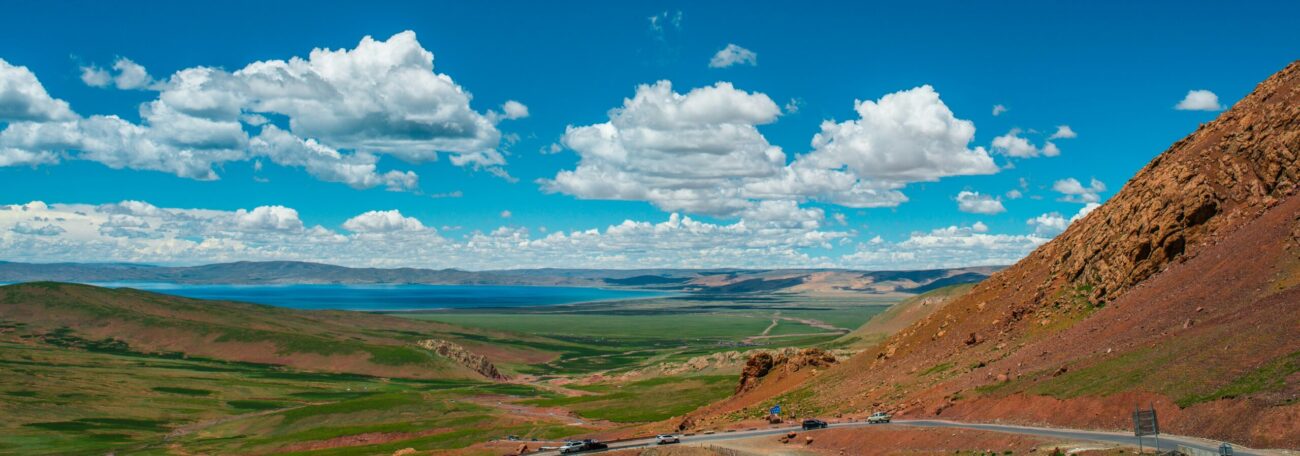
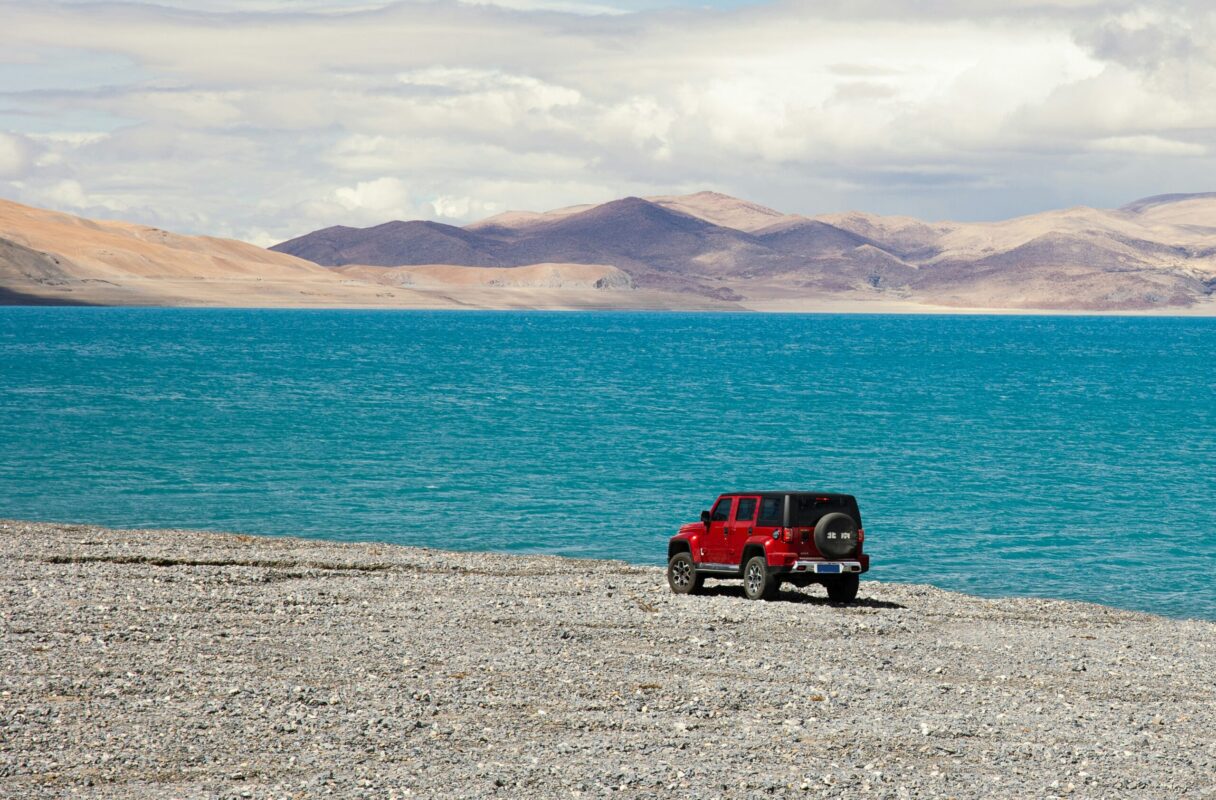
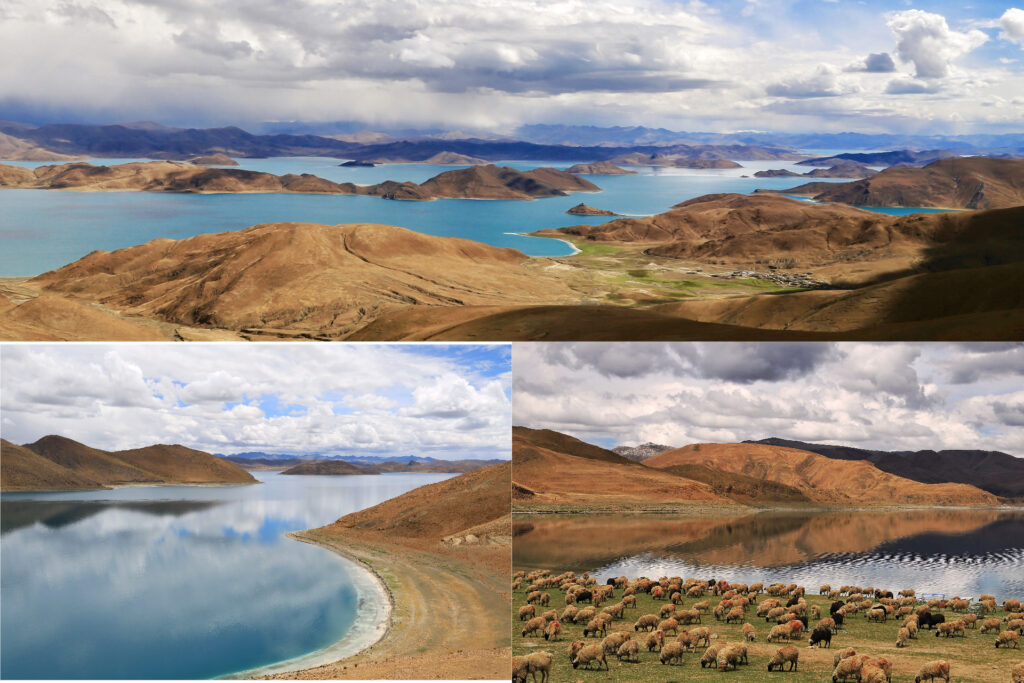
This is a day of contrasts: from the breathtaking serenity of Lake Yamdrok, one of Tibet’s three holiest lakes, to the everyday beauty of Dadong Ancient Village, where students step into real local life.
Morning:
Drive to Lake Yamdrok (2 hours)
Scenic stop at Gampa La Pass, panoramic view of turquoise waters and snow-capped peaks
Discuss the sacred significance of Yamdrok and how natural beauty fuels spiritual beliefs
Mini-lesson on glacial melt, climate impact, and water access in Tibet
Afternoon:
Arrive at Dadong Ancient Village, a living museum of highland life
Activities include:
Horseback riding with local herders
Photo with yak (with guidance on ethical animal interaction)
Fruit picking in a mountain orchard (seasonal)
Visit a Tibetan home and prepare dinner together
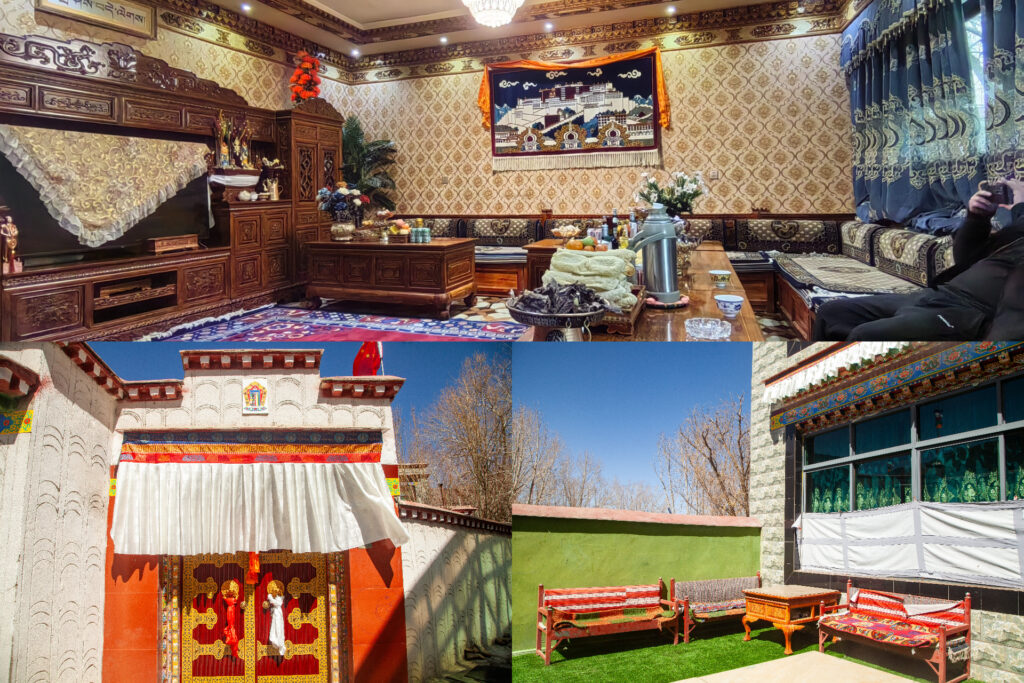
Evening: Family-style dinner in a local household
Learning Objectives
- Experience rural livelihoods and hospitality firsthand
- Learn about sacred geography and water conservation
- Practice interpersonal skills in a cross-cultural setting
- Understand climate impact on mountain environments
On Day 6, Tibet stops being a destination—and becomes a dialogue.
One morning in the halls of kings, one afternoon in the hearts of children.
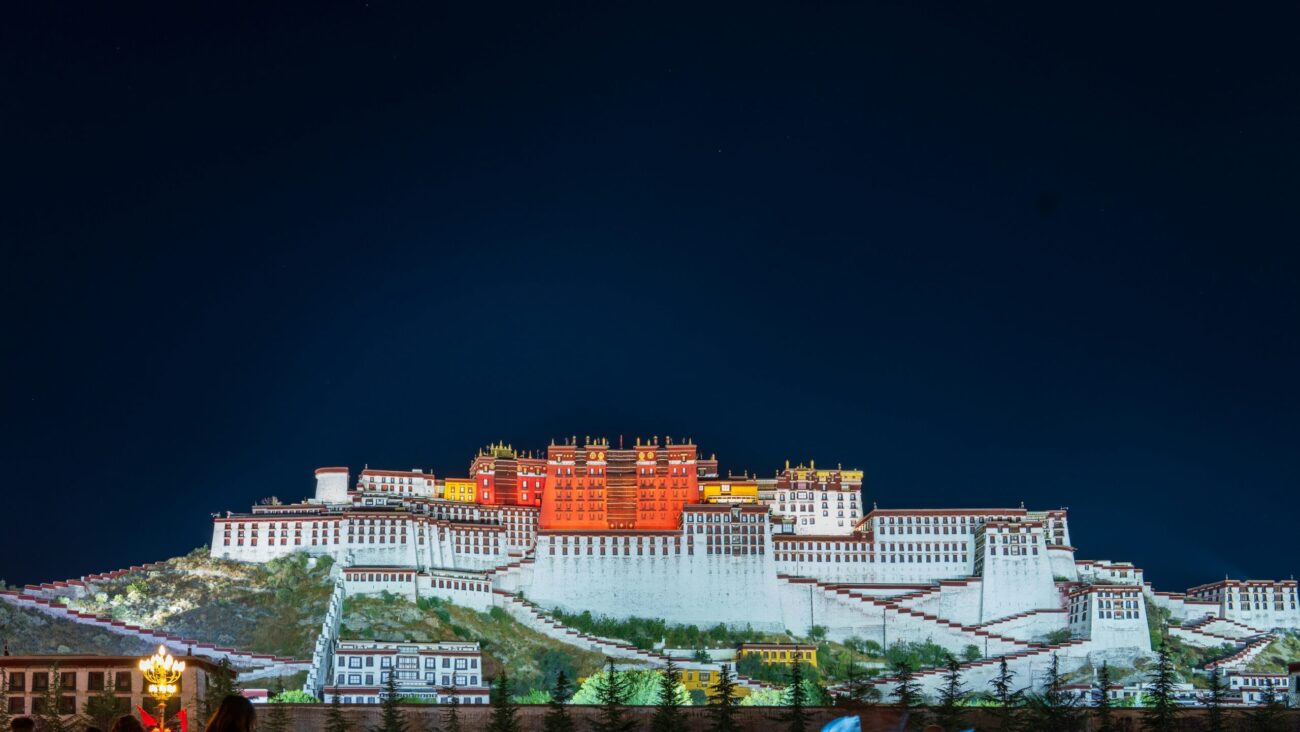
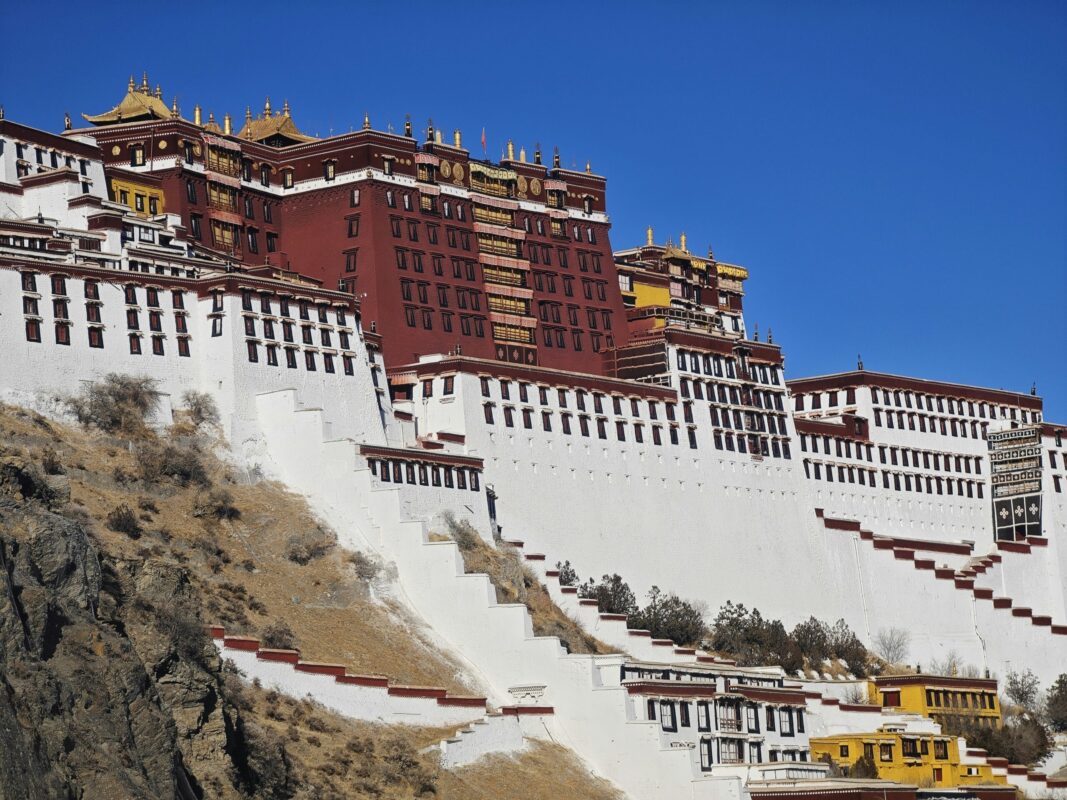
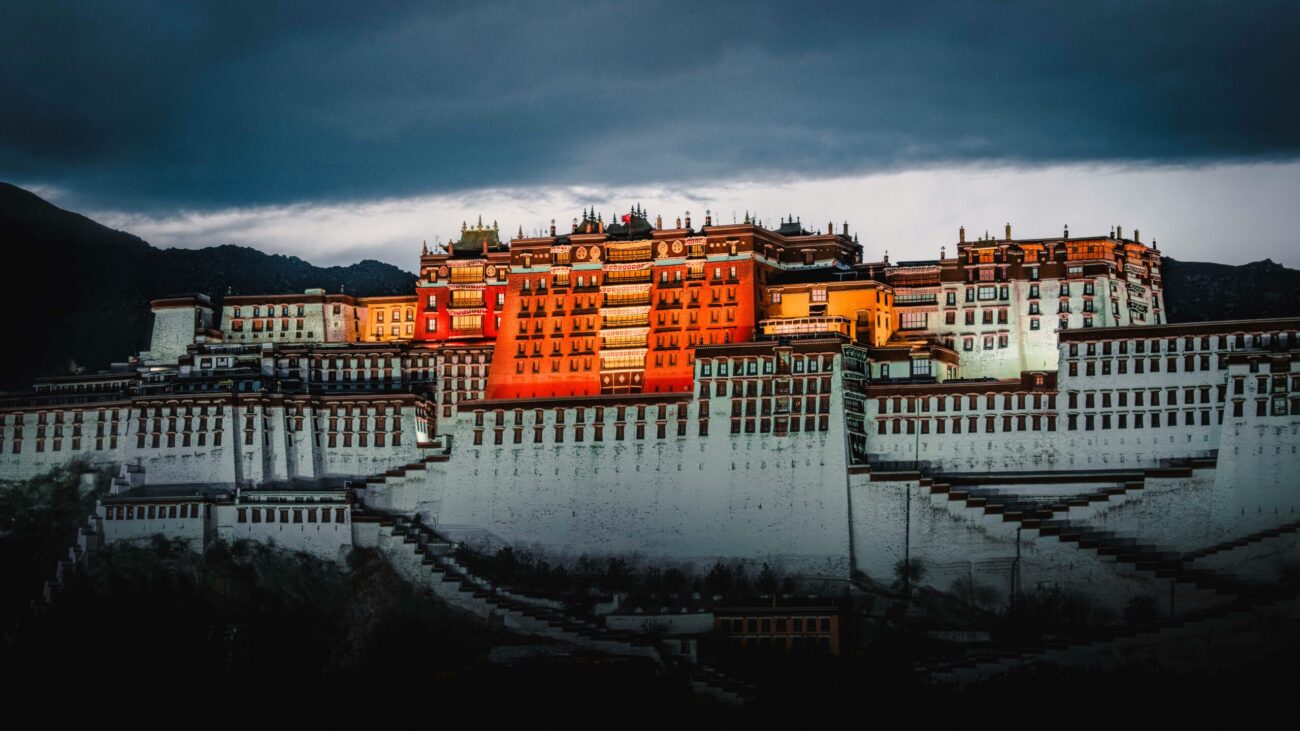
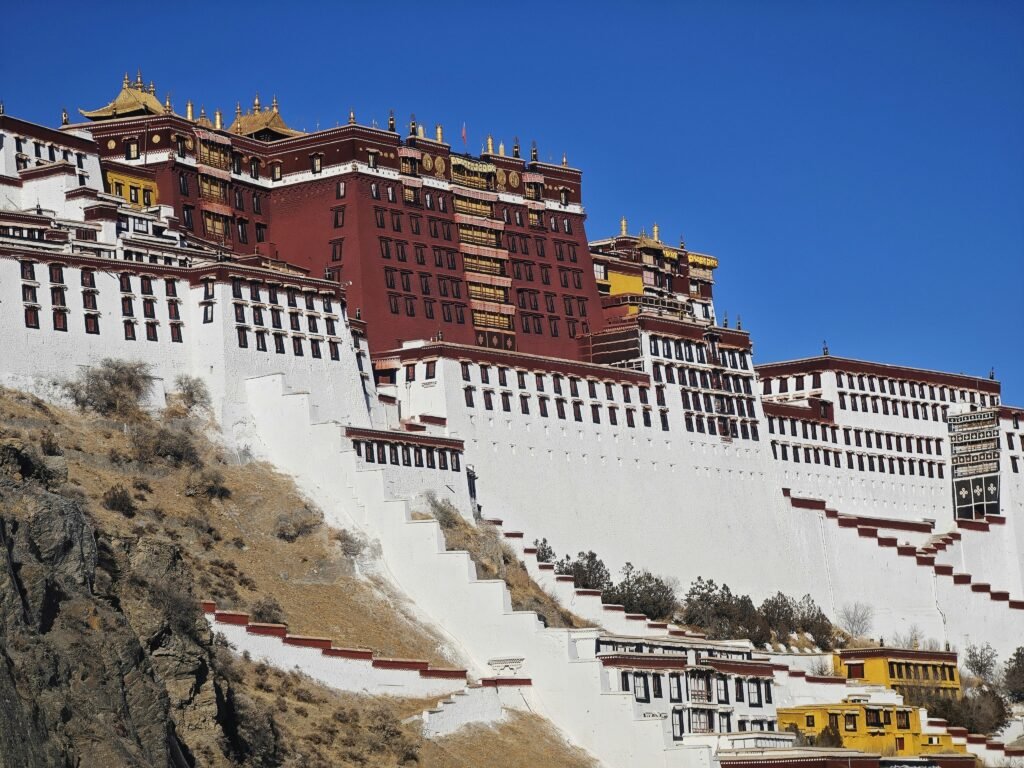
This day bridges historical legacy and modern compassion. Students begin by walking through the corridors of power at the Potala Palace—a structure that has defined Tibetan identity for centuries. In the afternoon, they shift from receiving stories to giving presence, through a powerful volunteer experience.
Morning:
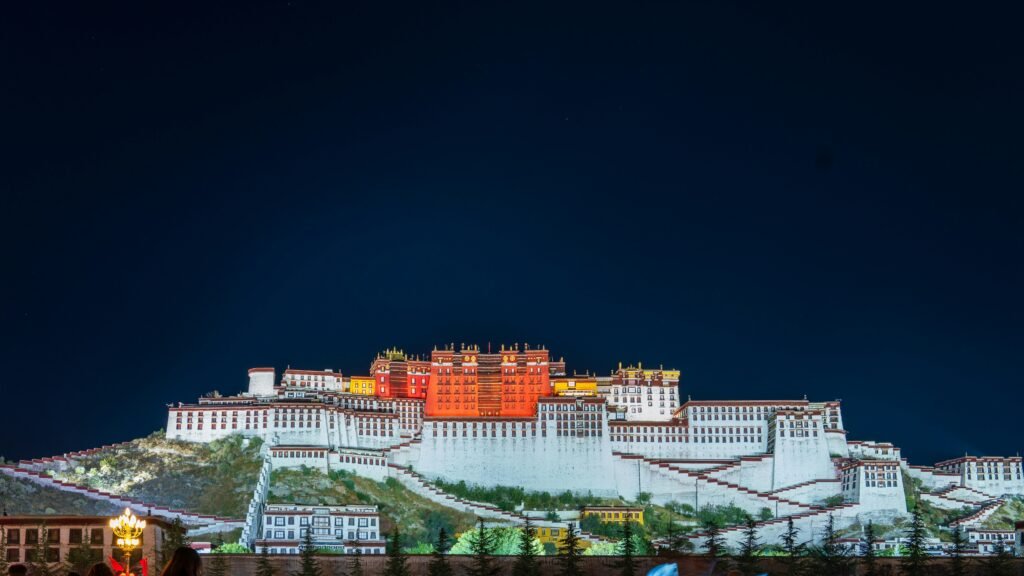
Visit the Potala Palace (UNESCO World Heritage Site)
Guided learning session on Tibetan governance, architecture, and Buddhism
Explore murals, chambers, and ancient relics with age-appropriate historical interpretation
Q&A with local Tibetan cultural educator
Tian Shang You Ju (The World’s Highest Post Office): Students select postcards, write a message to their “future self,” and mail it home
Encourages reflection and long-term thinking
Photographic reflection: Students replicate the famous image on the 50 RMB banknote at Yaowang Mountain Viewpoint
Afternoon: Service Learning at a Local Special Needs School
Visit a Lhasa-based school for children with disabilities
Student-led activities: games, drawing, storytelling
Optional: bring a small gift or card prepared in advance
Group debrief: What does inclusion mean? What can I do in my own school community?
Evening:
Farewell Dinner – celebration of learning, sharing of journals & certificates
Option for students to deliver a short speech or thank-you message
Group photo slideshow and closing circle
Learning Objectives
- Deepen historical understanding of Tibet’s political-religious heritage
- Reflect on personal growth through self-expression and written memory
- Engage in ethical volunteering and global citizenship
- Practice gratitude, humility, and cross-cultural empathy
This is the day students remember most—not just for the palace views, but for the people they touched and were touched by.
ourneys end—but the learning continues.
Depending on return flight time, students can enjoy a final breakfast together, exchange contact details, and say goodbye to their Tibetan hosts and guides.
The trip ends with lighter luggage—but heavier minds and brighter eyes.
- A Post-Trip Classroom Toolkit (reflection prompts, extension projects)
- Student presentations & writing assignments
- Certificate of completion with learning outcomes
- Parent debrief letter & photo sharing package
Cost Includes
- 7 nights accommodation (Lhasa & Basum Tso)
- All meals: 7 breakfasts + 9 lunches/dinners
- Private coach transportation in Tibet
- All entrance fees & activity costs (Potala Palace, Basum Tso, Yamdrok Lake, etc.)
- Cultural workshops & materials
- Certified local Tibetan guide & CET tour leader
- High-altitude travel insurance
- Oxygen support (canisters & medical tanks)
- Unlimited bottled water
- Welcome ceremony & farewell dinner
Cost Excludes
- International and domestic flights or high-speed train to/from the meeting point
- Transfers outside scheduled group
- Personal expenses
- Additional charges for children beyond quoted group rates
- Any cost not explicitly listed in the “What’s Included” section
Yes. Tibet is a secure and peaceful region. All CET Edu school trips are led by licensed guides, follow strict safety protocols, and include travel insurance, oxygen support, and 24/7 on-ground coordination.
We begin the trip with slow-paced altitude acclimatization in Lhasa. All students receive oxygen canisters and our vehicles are equipped with medical-grade tanks. Our guides are trained in altitude awareness and response.
Our Tibet school trips are designed for students aged 10–17, with educational content and physical activities tailored for middle and high school learners. Younger children can join with family.
Students gain real-world insights into:
- Tibetan culture & Buddhism
- High-altitude geography & ecosystems
- Intangible heritage preservation
- Global citizenship & service learning
- Self-reflection & personal growth
Absolutely. CET Edu has over 10 years of experience working with IB, AP, and bilingual school programs. All content is English-friendly and aligned with global education goals.
Yes. We can accommodate vegetarian, gluten-free, and other dietary needs with advance notice. All meals are prepared by vetted local kitchens with student travelers in mind.
Not at all. All guides and trip leaders are bilingual, and workshops are conducted in English. We welcome students from all language backgrounds.
The program includes:
- Accommodation, meals, activities, entrance fees
- Transportation in Tibet
- Local guides, workshop leaders, and insurance
- Cultural experiences and volunteer visits
- Oxygen supply and first-aid readiness
Yes! We offer customizable school tour packages in China, including shorter or longer stays, different focus areas (STEM, history, culture), and private group options for schools or families.
Contact CET Edu for available dates and group slots. Once confirmed, you’ll receive:
- A pre-trip info pack
- Suggested packing list
- Visa & health guidance
- Optional pre-departure Zoom orientation for students/parents